
Explaining Chengdu's summer route in chapters: southern Xinjiang, Ili and Altay
A planning question about Chengdu. Compare the route, pace and practical details before choosing a departure.
Some articles use fictional identities and AI portraits; example discussion and like counts are not genuine reviews. Route details are based on product information, not verified guest reviews or records of guided trips.
For a long itinerary, I would begin with a chapter guide. Chengdu's 16-day summer programme can be read as Kashgar and the Pamirs, Kuqa and Ili, then Altay and the return. Knowing which chapter today belongs to makes the individual place names easier to remember.
Chengdu · Explore the product ↗Open the route outline · 16 days
- D01
Chengdu / Lanzhou → Turpan
- D02
On the Lanzhou–Xinjiang railway
- D03
Turpan → Kashgar
- D04
Arrival in Kashgar
- D05
Kashgar → the Pamirs → Kashgar
- D06
Kashgar → Kuqa
- D07
Kuqa → southern Duku Highway → Bayanbulak
- D08
Bayanbulak → Nalati
- D09
Nalati → Yining
- D10
Yining → Sayram Lake → Beitun
- D11
Beitun → Hemu
- D12
Hemu → Kanas
- D13
Kanas → Burqin → Beitun
- D14
Urumqi → Heavenly Lake → Urumqi
- D15
Urumqi → Lanzhou / Chengdu
- D16
Via Lanzhou to Chengdu
Use this outline to orient your reading. Your confirmed departure plan governs visits and travel arrangements.
See the full product itinerary →Explain the sequence before the highlights
I would show how boarding, train days, city visits and road sections connect, then ask each traveller for three anticipated stops. Families need to know which days involve more movement. Saying that a route covers both northern and southern Xinjiang cannot replace reading its daily arrangements.
The first layer of interpretation is orientation. Explain where today sits within the route, then introduce a detail in view. Visitors need not remember every name immediately; understanding the transition from streets to landscapes gives the next explanation a place.
At each stop, begin with something visible
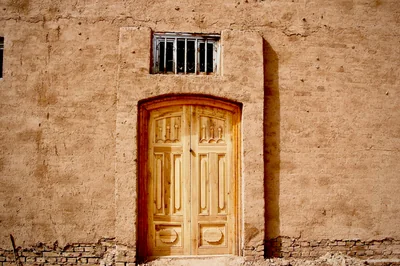
In Kashgar, a doorway's relationship to the street; in Nalati, a slope and the scale of a person; in Kanas, a bend in the water beside forest. Visible details provide a way into the background. Historical, cultural and geographical explanations still require reliable information rather than a more entertaining invention.
A chapter can have a guiding question about everyday life, the landscape or differences from the last stop. Questions connect places while factual claims still need checking. Leaving some space invites visitors to participate rather than simply absorb a monologue.
Make the next transfer understandable
Before southern Duku and Bayanbulak, I would check transport, meeting points, day-bag needs and the next overnight stop. A reference route does not replace operational notices, and road conditions may change execution. How the group reaches the next place often matters more immediately than another list of attractions.
At day’s end, recap three accurate place names and invite one observation. A visitor may remember a town, another the road. The purpose is to help organise experience, not prescribe a single correct response to the journey.
Chapters, observation and transfers offer three useful layers for explaining this route. Tell Guagua which part you want to understand, then connect the explanation with a specific departure.
A few more details
Do these chapters change the official visiting order?
No. They organise the explanation; the confirmed departure plan determines the actual route.
Can a favourite stop be extended whenever a traveller wishes?
Time depends on the group route and local conditions. Mention your preference during the enquiry so Guagua can check what is feasible.
How can I discuss my specific needs?
Tell Guagua your available dates, party size, walking preferences and accommodation needs, then check the selected departure together.
Ask about your journey →Example discussion · Not genuine guest reviews
12 examplesDo these chapters change the official visiting order?
No. They organise the explanation; the confirmed departure plan determines the actual route.
Can a favourite stop be extended whenever a traveller wishes?
Time depends on the group route and local conditions. Mention your preference during the enquiry so Guagua can check what is feasible.
What if visitors struggle with place names?
The first layer of interpretation is orientation. Explain where today sits within the route, then introduce a detail in view. Visitors need not remember every name immediately; understanding the transition from streets to landscapes gives the next explanation a place.
Is more commentary always better?
A chapter can have a guiding question about everyday life, the landscape or differences from the last stop. Questions connect places while factual claims still need checking. Leaving some space invites visitors to participate rather than simply absorb a monologue.

How can a day’s recap feel natural?
At day’s end, recap three accurate place names and invite one observation. A visitor may remember a town, another the road. The purpose is to help organise experience, not prescribe a single correct response to the journey.
I would start here: Begin with today’s position in the route.
Yes — add it to your planning list, then compare it with the daily outline for Summer Panorama and note what you still want to clarify.
Reader discussion 0
Approved reader submissions appear here. Keep documents, contact details and other private information out of public comments.
My submissions and review status