
Reading changing landforms on Anyi's landscape programme
A planning question about Panda Train · Anyi. Compare the route, pace and practical details before choosing a departure.
Some articles use fictional identities and AI portraits; example discussion and like counts are not genuine reviews. Route details are based on product information, not verified guest reviews or records of guided trips.
A useful explanation can follow a simple line. For Anyi's 16-day landscape route, I would use woodland, grassland, lake, canyon and city. Grassland Stone City and Kuqa Canyon are important stops, but the account must follow the real places and reliable material rather than a vaguely similar photograph.
Panda Train · Anyi · Explore the product ↗Open the route outline · 16 days
- D01
Board in Chengdu / Lanzhou · Xinjiang
- D02
Hexi Corridor · Arrive Urumqi
- D03
Welcome lunch & Tianshan Tianchi
- D04
Beitun via Burqin · Visit Hemu
- D05
Kanas & Five-colour Beach · Burqin
- D06
Grassland Stone City · Train to Yining
- D07
Sayram Lake · Guozigou to Yining
- D08
Nalati Grassland · Train to Kuqa
- D09
Kuqa Canyon · Train to Kashgar
- D10
Apak Hoja & Gaotai dwellings · Kashgar
- D11
Karakul & Baisha lakes · Return to Kashgar
- D12
Kashgar Old City & Id Kah · Turpan
- D13
Turpan · Grape Valley
- D14
Flaming Mountains, fruit lunch & Karez
- D15
Return by rail · Farewell Xinjiang
- D16
Arrive Lanzhou / Chengdu · Journey’s end
Use this outline to orient your reading. Your confirmed departure plan governs visits and travel arrangements.
See the full product itinerary →Begin with visible shapes
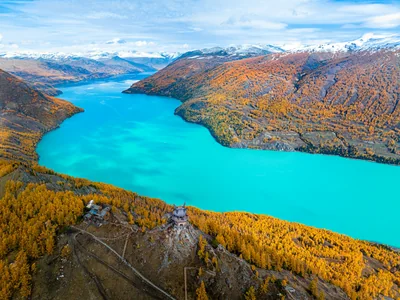
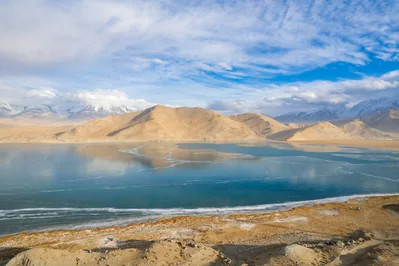
Travellers can compare lines, scale and ground: how a slope differs from a shore, or how rock sits against the sky. Observation does not require a list of technical terms. Geological causes, dates and cultural background need checked sources; an appealing story is not enough.
A comparison of visible shapes invites participation. Ask which lines are gentler or which view has more layers, then add reliable background. Observation gives technical vocabulary a purpose rather than making it a barrier.
Include transport in the changing landscape
This programme connects Nalati with a train journey towards Kuqa and then the canyon. It should not borrow another package's central and southern Duku sections. Explaining both the landscape change and how the group reaches it also helps with day bags and expectations.
Transport and landscape explanations can support each other but do not replace one another. Explain how the journey reaches Kuqa, then why the visual theme changes. Travellers need both the map and the shape of their day.
Make the landscape an observation exercise
There is no need to reproduce a cover image. Compare slopes, sky and rock, then choose a detail that interests you. After hearing the background, try describing a visible shape in plain words.
Landscape observation does not require identical reactions. One person may prefer open slopes, another rock detail. Invite each to photograph a kind of line and compare the results. This shares a method while allowing different tastes.
I would explain this programme through change while linking each change to its real place and transport. Tell Guagua which landforms interest you most and check the selected departure.
A few more details
Does this article already include a verified Kuqa Canyon photograph?
Its illustrations show other verified stops along the route; none is used to impersonate Kuqa Canyon.
Can this programme use the Yaju/Yashe Duku arrangements?
No. The middle-section transport connections differ.
Which product and route does this article cover?
Panda Train · Anyi · Jiangshan · Guige · 16 Days
Check product details →How can I discuss my specific needs?
Tell Guagua your available dates, party size, walking preferences and accommodation needs, then check the selected departure together.
Ask about your journey →Example discussion · Not genuine guest reviews
12 examplesDoes this article already include a verified Kuqa Canyon photograph?
Its illustrations show other verified stops along the route; none is used to impersonate Kuqa Canyon.
Can this programme use the Yaju/Yashe Duku arrangements?
No. The middle-section transport connections differ.
Can landscapes be explained without many technical terms?
A comparison of visible shapes invites participation. Ask which lines are gentler or which view has more layers, then add reliable background. Observation gives technical vocabulary a purpose rather than making it a barrier.
How should transport and landscape explanations connect?
Transport and landscape explanations can support each other but do not replace one another. Explain how the journey reaches Kuqa, then why the visual theme changes. Travellers need both the map and the shape of their day.
What if visitors prefer different landscapes?
Landscape observation does not require identical reactions. One person may prefer open slopes, another rock detail. Invite each to photograph a kind of line and compare the results. This shares a method while allowing different tastes.
I would start here: Explain both transport and the visual theme.
Yes — add it to your planning list, then compare it with the daily outline for Jiangshan · Guige · 16 Days and note what you still want to clarify.
Reader discussion 0
Approved reader submissions appear here. Keep documents, contact details and other private information out of public comments.
My submissions and review status