
Keeping the forests distinct on a 16-day northeast journey
A planning question about Yangtze Delta Star. Compare the route, pace and practical details before choosing a departure.
Some articles use fictional identities and AI portraits; example discussion and like counts are not genuine reviews. Route details are based on product information, not verified guest reviews or records of guided trips.
A long northeast itinerary crosses several regions; calling each stop another forest loses useful detail. Star of the Yangtze River Delta connects Panjin, Harbin, Mohe, Wudalianchi, Yichun, Changbai Mountain and Liaoning. I would give each transfer a clear place name and theme.
Yangtze Delta Star · Explore the product ↗Open the route outline · 16 days
- D01
Shanghai · Depart for the north
- D02
By rail towards Panjin
- D03
Panjin · Colours of Red Beach
- D04
Reed & Crab Wetlands · Train to Harbin
- D05
Harbin · Sophia, Central Street & Tiger Park
- D06
Beiji Village · Riverside & northern post office
- D07
Reindeer community, Songyuan Park & Mohe Dance Hall
- D08
Wudalianchi · Volcanoes & lakes
- D09
Yichun · Wuying Forest & Tangwanghe
- D10
Xishui Forest, Jinshan Deer Park & Oroqen visit
- D11
Dunhua to Erdaobaihe · At the foot of Changbai
- D12
Changbai North Slope · Crater lake & waterfall
- D13
Dandong · Yalu River & border-city history
- D14
Shenyang · Palace, Zhang Mansion & 9.18 Museum
- D15
Return by rail · Southbound
- D16
Arrive Shanghai · Journey’s end
Use this outline to orient your reading. Your confirmed departure plan governs visits and travel arrangements.
See the full product itinerary →Build the sequence around towns and regions
Panjin introduces the wetlands, Harbin provides a city chapter, and Mohe and Beiji Village lead into the far north. Wudalianchi and Yichun follow before the Changbai Mountain area. This overview helps orient visitors, but daily timings, accommodation and transfers still need to be checked against the departure schedule.
Regional order works like a table of contents, with individual stops as its paragraphs. A brief map introduction explains transitions from wetland to city and gives the next visit a place within the larger journey.
Keep Yichun’s individual stops separate
Wuying, Tangwang River, Xishui and Jinshan Deer Park are distinct parts of this route. Luxi Ranch in the Lindu winter itinerary is not a substitute. Observation can begin with trees, paths and the setting; cultural or animal activities should be explained according to the actual venue and its rules.
Explain easily confused places side by side. Give each a name, its day in the itinerary and a visit theme. A short comparison is easy to save and helps prevent photographs from being assigned to the wrong place.
Remember forests through observation
Begin each woodland stop with paths, trees and sky, then offer a detail visitors can find themselves. A place name, the conditions of the day and a personal observation form a clear memory.
Try a simple forest observation: from a permitted stopping point, note something near, in the middle and far away. Repeat at the next woodland stop. Comparing observations can reveal differences without demanding specialist knowledge.
Give Guagua the particular regions or nature interests that matter to you, then compare them with the northeast itinerary.
A few more details
Are Jinshan Deer Park and Luxi Ranch the same stop?
No. Each belongs to its own product information and should be checked separately.
Can the Wuying canopy photo represent Changbai Mountain?
No. Its source identifies Wuying in Yichun.
Which product and route does this article cover?
Yangtze Delta Star · Northern Autumn · 16 Days
Check product details →How can I discuss my specific needs?
Tell Guagua your available dates, party size, walking preferences and accommodation needs, then check the selected departure together.
Ask about your journey →Example discussion · Not genuine guest reviews
12 examplesAre Jinshan Deer Park and Luxi Ranch the same stop?
No. Each belongs to its own product information and should be checked separately.
Can the Wuying canopy photo represent Changbai Mountain?
No. Its source identifies Wuying in Yichun.
How can many place names form a clear sequence?
Regional order works like a table of contents, with individual stops as its paragraphs. A brief map introduction explains transitions from wetland to city and gives the next visit a place within the larger journey.
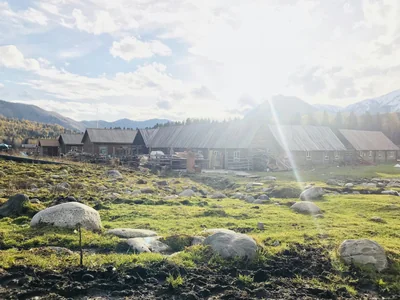
How should easily confused animal stops be distinguished?
Explain easily confused places side by side. Give each a name, its day in the itinerary and a visit theme. A short comparison is easy to save and helps prevent photographs from being assigned to the wrong place.
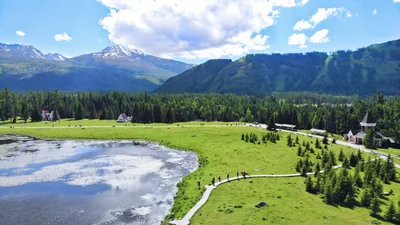
What simple exercise helps compare forests?
Try a simple forest observation: from a permitted stopping point, note something near, in the middle and far away. Repeat at the next woodland stop. Comparing observations can reveal differences without demanding specialist knowledge.
I would start here: Compare similar names side by side.
Yes — add it to your planning list, then compare it with the daily outline for Northern Autumn · 16 Days and note what you still want to clarify.
Reader discussion 0
Approved reader submissions appear here. Keep documents, contact details and other private information out of public comments.
My submissions and review status