
Reading southern Xinjiang through the cities on New Orient's 11-day route
A planning question about New Orient Express. Compare the route, pace and practical details before choosing a departure.
Some articles use fictional identities and AI portraits; example discussion and like counts are not genuine reviews. Route details are based on product information, not verified guest reviews or records of guided trips.
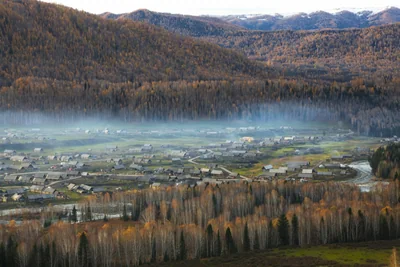
If cities, streets and Silk Road culture were my priorities, I would start with New Orient Express's 11-day southern Xinjiang route. Beginning in Urumqi, it links Turpan, Ruoqiang, Hotan, Yarkand, the Pamirs and Kashgar. Southern Xinjiang becomes the main subject, rather than an addition to a northern journey.
New Orient Express · Explore the product ↗Open the route outline · 11 days
- D01
Urumqi · Arrival reception
- D02
Turpan · Jiaohe, Karez & vineyard
- D03
Ruoqiang · Miran & Loulan heritage
- D04
Hotan · Tuan Cheng, river & Yotkan evening
- D05
Yarkand · Historic mausoleums
- D06
Pamir lakes · Baisha & Karakul
- D07
Kashgar Old City, Id Kah & Gaotai
- D08
Kuqa · Canyon, palace & old streets
- D09
Luntai · Tarim poplar forest
- D10
Tianshan Tianchi · Farewell dinner
- D11
Urumqi departure · Homeward
Use this outline to orient your reading. Your confirmed departure plan governs visits and travel arrangements.
See the full product itinerary →Give each city a small question
In Turpan I would ask about water and settlement; in Ruoqiang, the relationship between sites and Loulan culture; in Hotan and Yarkand, street life and cultural displays. One clearly understood detail can be enough. I would send those interests to Guagua to compare with the departure's actual visits.
I would not expect one trip to explain all of southern Xinjiang. A better aim is to return with observations that changed an assumption. Differences between cities may emerge in water use, street layouts or an explanation you took time to hear.
Look beyond the best-known signs in Kashgar
I would start with an ordinary public street: how doors open onto the road, how wall colours change, and where people pause to talk. I would ask before photographing anyone. A doorway, a street detail and a wider city view can tell a story without staging residents' lives.
Walk a little before deciding what deserves a photograph. After an agreed portrait, offering to show it is a small courtesy. If someone declines, choose a street view instead. An encounter does not have to become publishable content to matter.
Let the Pamirs change the scale
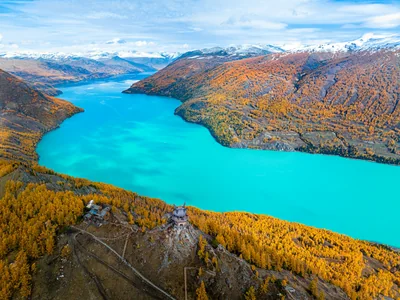
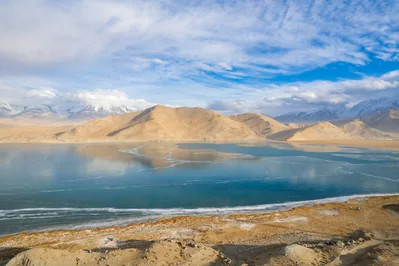
The reference route includes Baisha Lake and Karakul between city chapters. I would give the plateau its own space: cities invite close observation, while mountains and water invite a wider view. Ask about documents, transfers and meeting arrangements before travelling, and stay within the authorised visit areas.
For the plateau, I would begin with distances between mountains and water and the places actually visited. Questions about access and individual circumstances belong in departure planning, rather than treating a journal article as a travel document.
For a cultural focus, I would compare this 11-day southern programme before choosing a north-and-south overview. Three things you want to understand can give a conversation with Guagua a useful direction.
A few more details
Does the 11-day southern route also visit Hemu and Kanas?
This article concerns the southern 11-day programme. It does not import stops from New Orient's separate 14-day north-and-south route.
Does a cultural itinerary mean long walks every day?
The theme alone cannot tell you that. Check walking, vehicle transfers and rest opportunities at each city stop.
Which product and route does this article cover?
New Orient Express · Golden Silk Road · 11 Days
Check product details →How can I discuss my specific needs?
Tell Guagua your available dates, party size, walking preferences and accommodation needs, then check the selected departure together.
Ask about your journey →Example discussion · Not genuine guest reviews
12 examplesDoes the 11-day southern route also visit Hemu and Kanas?
This article concerns the southern 11-day programme. It does not import stops from New Orient's separate 14-day north-and-south route.
Does a cultural itinerary mean long walks every day?
The theme alone cannot tell you that. Check walking, vehicle transfers and rest opportunities at each city stop.
Will limited historical knowledge make the trip difficult to appreciate?
I would not expect one trip to explain all of southern Xinjiang. A better aim is to return with observations that changed an assumption. Differences between cities may emerge in water use, street layouts or an explanation you took time to hear.
How can I approach street portraits respectfully?
Walk a little before deciding what deserves a photograph. After an agreed portrait, offering to show it is a small courtesy. If someone declines, choose a street view instead. An encounter does not have to become publishable content to matter.
Should city and plateau notes be separate?
For the plateau, I would begin with distances between mountains and water and the places actually visited. Questions about access and individual circumstances belong in departure planning, rather than treating a journal article as a travel document.
I would start here: Observe and engage before photographing.
Yes — add it to your planning list, then compare it with the daily outline for Golden Silk Road · 11 Days and note what you still want to clarify.
Reader discussion 0
Approved reader submissions appear here. Keep documents, contact details and other private information out of public comments.
My submissions and review status