
A small city notebook for New Orient's 11 days in southern Xinjiang
A planning question about New Orient Express. Compare the route, pace and practical details before choosing a departure.
Some articles use fictional identities and AI portraits; example discussion and like counts are not genuine reviews. Route details are based on product information, not verified guest reviews or records of guided trips.
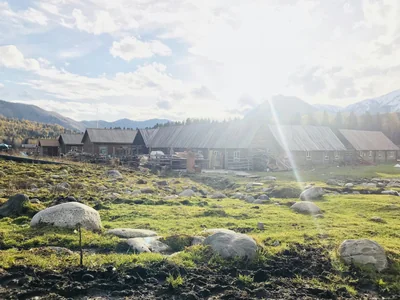
It is possible to return with hundreds of photographs and still confuse where each day happened. For New Orient Express's 11-day southern itinerary, I would keep a very small notebook: one observation, one photograph and one question for each city. The place names might then stay distinct.
New Orient Express · Explore the product ↗Open the route outline · 11 days
- D01
Urumqi · Arrival reception
- D02
Turpan · Jiaohe, Karez & vineyard
- D03
Ruoqiang · Miran & Loulan heritage
- D04
Hotan · Tuan Cheng, river & Yotkan evening
- D05
Yarkand · Historic mausoleums
- D06
Pamir lakes · Baisha & Karakul
- D07
Kashgar Old City, Id Kah & Gaotai
- D08
Kuqa · Canyon, palace & old streets
- D09
Luntai · Tarim poplar forest
- D10
Tianshan Tianchi · Farewell dinner
- D11
Urumqi departure · Homeward
Use this outline to orient your reading. Your confirmed departure plan governs visits and travel arrangements.
See the full product itinerary →Sketch the order, not a complete guidebook
I would trace the reference sequence through Urumqi, Turpan, Ruoqiang, Hotan, Yarkand, the Pamirs, Kashgar, Kuqa, Luntai and Heavenly Lake. Blank space would be more useful than a long list of internet recommendations. First see what the selected departure includes, then decide what to ask.
The blank space may be the most useful part of a route notebook. I would leave room beside each stop instead of pre-writing conclusions. When a place differs from my expectations, that difference becomes the note worth keeping.
Use three small spaces on each page
The first would name the place, the second describe or sketch a recognisable detail, and the third hold a word I wanted explained. A Kashgar door or a mountain line at Karakul would do. An uncertain historical point would stay a question until checked, rather than becoming a confident social-media claim.
Three words can replace a sketch: a place, a colour and a sound. A simple method is easier to sustain. Put a question mark beside historical details you still need to check, keeping impressions separate from factual conclusions.
Use transfers to join the fragments
I could sort photographs by place and write one sentence about how this stop differed from the last. Weather and the day's pace may change how a place feels. There is no need to pre-write the most moving moment; the notebook should leave room for what I actually notice.
Choose ten photographs on the return journey instead of trying to finish a long essay each evening. Arrange them once by route and once by theme; two different stories may emerge. Accurate place names let others follow either version.
This route lends itself to a record of cities and contrasting landscapes. Send Guagua the two places that most interest you and the time you have available, then compare the southern programme.
A few more details
Can the notebook's city sequence serve as the final itinerary?
Use the confirmed departure plan for travel. This article follows the current 11-day reference programme.
Does this work if I cannot draw?
Yes. Words or a phone album work equally well. The point is to keep one observation of your own for each place.
Which product and route does this article cover?
New Orient Express · Golden Silk Road · 11 Days
Check product details →How can I discuss my specific needs?
Tell Guagua your available dates, party size, walking preferences and accommodation needs, then check the selected departure together.
Ask about your journey →Example discussion · Not genuine guest reviews
12 examplesCan the notebook's city sequence serve as the final itinerary?
Use the confirmed departure plan for travel. This article follows the current 11-day reference programme.
Does this work if I cannot draw?
Yes. Words or a phone album work equally well. The point is to keep one observation of your own for each place.
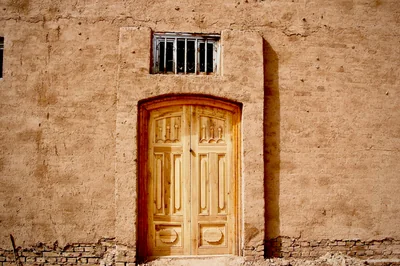
Does the notebook need extensive history?
The blank space may be the most useful part of a route notebook. I would leave room beside each stop instead of pre-writing conclusions. When a place differs from my expectations, that difference becomes the note worth keeping.
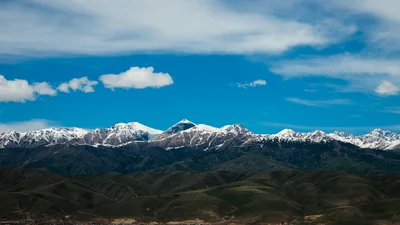
Can I do this without drawing?
Three words can replace a sketch: a place, a colour and a sound. A simple method is easier to sustain. Put a question mark beside historical details you still need to check, keeping impressions separate from factual conclusions.
When should I turn notes into a full story?
Choose ten photographs on the return journey instead of trying to finish a long essay each evening. Arrange them once by route and once by theme; two different stories may emerge. Accurate place names let others follow either version.
I would start here: Select a coherent photo story on the return trip.
Yes — add it to your planning list, then compare it with the daily outline for Golden Silk Road · 11 Days and note what you still want to clarify.
Reader discussion 0
Approved reader submissions appear here. Keep documents, contact details and other private information out of public comments.
My submissions and review status