
Two quieter forest days in Yichun on Yangtze Star
A planning question about Yangtze Delta Star. Compare the route, pace and practical details before choosing a departure.
Some articles use fictional identities and AI portraits; example discussion and like counts are not genuine reviews. Route details are based on product information, not verified guest reviews or records of guided trips.

In Yangtze Star's 16-day northern autumn programme, I would read days nine and ten in Yichun particularly carefully. Wuying, Tangwang River, Xishui and Jinshan Deer Park give the forest distinct places and names. For someone interested in woodland, these days deserve more than a glance at the cover.
Yangtze Delta Star · Explore the product ↗Open the route outline · 16 days
- D01
Shanghai · Depart for the north
- D02
By rail towards Panjin
- D03
Panjin · Colours of Red Beach
- D04
Reed & Crab Wetlands · Train to Harbin
- D05
Harbin · Sophia, Central Street & Tiger Park
- D06
Beiji Village · Riverside & northern post office
- D07
Reindeer community, Songyuan Park & Mohe Dance Hall
- D08
Wudalianchi · Volcanoes & lakes
- D09
Yichun · Wuying Forest & Tangwanghe
- D10
Xishui Forest, Jinshan Deer Park & Oroqen visit
- D11
Dunhua to Erdaobaihe · At the foot of Changbai
- D12
Changbai North Slope · Crater lake & waterfall
- D13
Dandong · Yalu River & border-city history
- D14
Shenyang · Palace, Zhang Mansion & 9.18 Museum
- D15
Return by rail · Southbound
- D16
Arrive Shanghai · Journey’s end
Use this outline to orient your reading. Your confirmed departure plan governs visits and travel arrangements.
See the full product itinerary →Keep each forest stop distinct
Wuying and Xishui are not alternative names for one place. I would ask about each day's location, visit format and meeting point, then label my photographs accordingly. The green Wuying canopy image is a summer illustration, not proof of autumn colours or a substitute for another park.
Even when several stops involve forests, each deserves its own place name and visiting context. Label photographs fully rather than remember only “some woodland”. That makes it easier to recognise whether trees, paths or light made a stop distinctive.
Photograph less, observe the spaces
I would begin with a wide view, then notice the path, distances between trunks and direction of light. Putting the phone away for a few minutes leaves room to listen. Quiet observation still belongs within the open route; a tempting gap between trees is not permission to leave it.
Pause somewhere suitable before taking a picture and let your eyes adjust to the light. Nearby trunks can frame distant trees. Once those relationships are clear, a few deliberate images may convey quiet better than constant shooting.
Separate woodland from the earlier wetland
Panjin and Yichun would have different album folders. Red vegetation, rice-field patterns and green canopy do not need the same composition. Jinshan Deer Park and the Oroqen stops should follow the day's programme and local explanation; ask about participation arrangements in advance.
Treat animal and cultural stops as separate questions about how visits work. They are not interchangeable with a forest walk. Knowing what involves observation and what may involve organised participation helps companions express their preferences.
The Yichun experience I would hope for is knowing which forest I am in and having time to notice it. Tell Guagua your interest in woodland and preferred pace when comparing this northeast route.
A few more details
Was the Wuying illustration photographed in autumn?
It shows a green canopy and is labelled as a summer photographic reference, not an autumn group photograph.
Does a deer-park stop guarantee close interaction with animals?
Participation depends on local and departure rules. The article makes no interaction guarantee.
Which product and route does this article cover?
Yangtze Delta Star · Northern Autumn · 16 Days
Check product details →How can I discuss my specific needs?
Tell Guagua your available dates, party size, walking preferences and accommodation needs, then check the selected departure together.
Ask about your journey →Example discussion · Not genuine guest reviews
12 examplesWas the Wuying illustration photographed in autumn?
It shows a green canopy and is labelled as a summer photographic reference, not an autumn group photograph.
Does a deer-park stop guarantee close interaction with animals?
Participation depends on local and departure rules. The article makes no interaction guarantee.
How can I remember the different forests?
Even when several stops involve forests, each deserves its own place name and visiting context. Label photographs fully rather than remember only “some woodland”. That makes it easier to recognise whether trees, paths or light made a stop distinctive.
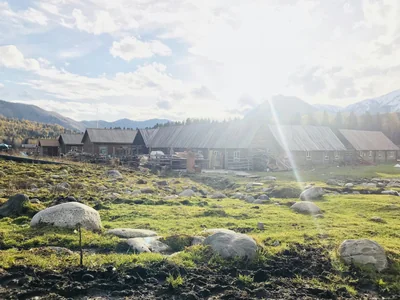
How can forest photographs feel less repetitive?
Pause somewhere suitable before taking a picture and let your eyes adjust to the light. Nearby trunks can frame distant trees. Once those relationships are clear, a few deliberate images may convey quiet better than constant shooting.
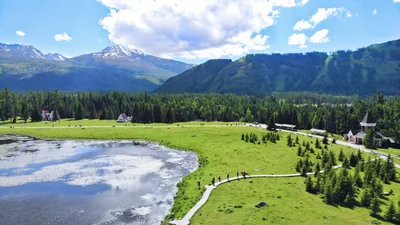
Should animal stops be understood like a park walk?
Treat animal and cultural stops as separate questions about how visits work. They are not interchangeable with a forest walk. Knowing what involves observation and what may involve organised participation helps companions express their preferences.
I would start here: Observe the light before shooting.
Yes — add it to your planning list, then compare it with the daily outline for Northern Autumn · 16 Days and note what you still want to clarify.
Reader discussion 0
Approved reader submissions appear here. Keep documents, contact details and other private information out of public comments.
My submissions and review status